

Advanced Training 5: Tactics Laboratory
Course Description: A mix of hand-to-hand and force-on-force training that will improve the student's ability to perform in realistic, real-time, live action situations involving one or more opponents, one or more bystanders and one or more dependents (friends/family members that the student is protecting).
Topics: Increased understanding of the 0-3 yard problem including drills teaching integration of unarmed, knife and firearm skills, managing unknown contacts, escalation/de-escalation of contact (verbal/physical/deadly force), relationship of distance, time, and viable force options.
Length: 5-6 hours
For prices and upcoming course dates, check the schedule page.
Prerequisites: Required: CHL/LTC. Preferred: Completion of DPS-1 or similar training.
Completion of other courses in the "AT" sequence not required to attend AT-5.
Required Equipment: Clothing suitable for force-on-force training (long sleeved shirts, long pants, athletic shoes). Mouthpiece and cup.
Optional Equipment: An Airsoft gas blowback gun that matches your own carry gun. See the general policies page for suggestions on food, drink, clothing, etc.
Taught by: Karl Rehn and Dave Reichek
Facility: A-Zone Range
Additional information: The curriculum for this course has changed from the older AT-5 lesson plan. The new version focuses more on integration of unarmed and knife skills, and is intended to be a lower intensity, introductory version of the material taught in the Extreme Close Quarters Class taught by Craig Douglas. We will be hosting ECQC again in 2017. This will be an excellent course to learn about this type of training, as well as a review/refresher for graduates of previous ECQC courses.
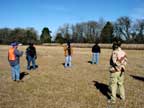
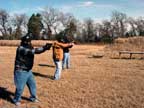
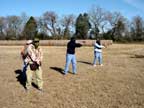
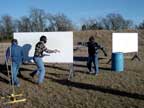
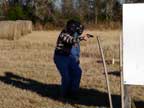
Here are some pictures from the Jan 2005 AT-5 course. Click on the pictures to see larger versions.
 |
 |
 |
 |
 |